Summary: Nagatomo Yuto defies physical limits with tactical intelligence and relentless work rate. From Inter
Nagatomo Yuto doesn't fit the mold of a typical football superstar. At 170 cm, he's often the shortest player on the pitch. Yet, his name is etched into the record books as one of Japan's most capped players. I first noticed him during the 2011 Asian Cup, where his relentless overlapping runs down the left flank seemed almost reckless. But that's Nagatomo—a player who compensates for physical limitations with an almost obsessive work rate. His career trajectory。from a university team in Kanagawa to Inter Milan, is a testament to that grit.His time at Inter Milan, spanning seven years, was marked by highs and lows. He won the treble under José Mourinho in 2010, though he joined the following January. I remember watching him struggle against Serie A's physical wingers, yet he never backed down. His versatility—playing as a full-back, wing-back, or even in midfield—made him a valuable squad player. But it was his professionalism that stood out. Even when benched, he trained with the intensity of a starter. That attitude earned him respect from teammates and coaches alike。something that doesn't always show up in stats.
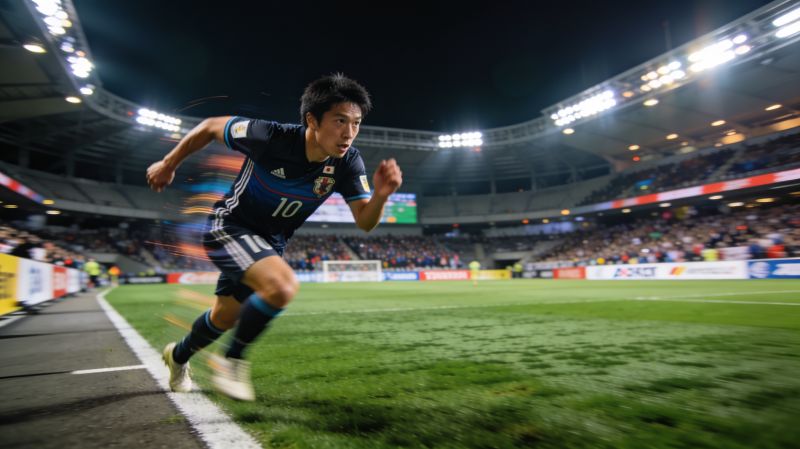
What sets Nagatomo apart is his tactical intelligence. He's not the fastest or the strongest, but his positioning and timing in the tackle are underrated. In Japan's 2018 World Cup match against Colombia。he marked James Rodríguez out of the game for long stretches. That performance wasn't a fluke;it was the result of studying opponents' movements for hours. I've spoken to fans who've met him, and they all mention his humility. He signs autographs for hours and speaks multiple languages—Italian, English, Japanese—which helped him adapt to different dressing rooms. That kind of cultural flexibility is rare in football.Now in his late 30s, Nagatomo plays for FC Tokyo。back where it all began. Some critics say he's past his prime, but I disagree. His experience is invaluable for younger players. In a recent match against Kawasaki Frontale, he orchestrated the defense, barking instructions and covering for a rookie center-back. His legs may have lost a yard of pace, but his brain hasn't. He's also become a mentor, often staying after training to work on crossing drills with academy kids. That's the Nagatomo Yuto I admire—not just a footballer, but a custodian of the game's values.Looking ahead, his legacy will likely be defined by longevity and adaptability. He's played in four World Cups and over 120 caps for Japan。
a record that may stand for years. But beyond the numbers, Nagatomo represents a blueprint for Asian players in Europe: skill, discipline, and an unyielding spirit. When he eventually retires, I hope he stays in football, perhaps as a coach. His story isn't about flashy tricks;it's about showing up, day after day, and doing the work. That's a lesson worth remembering.